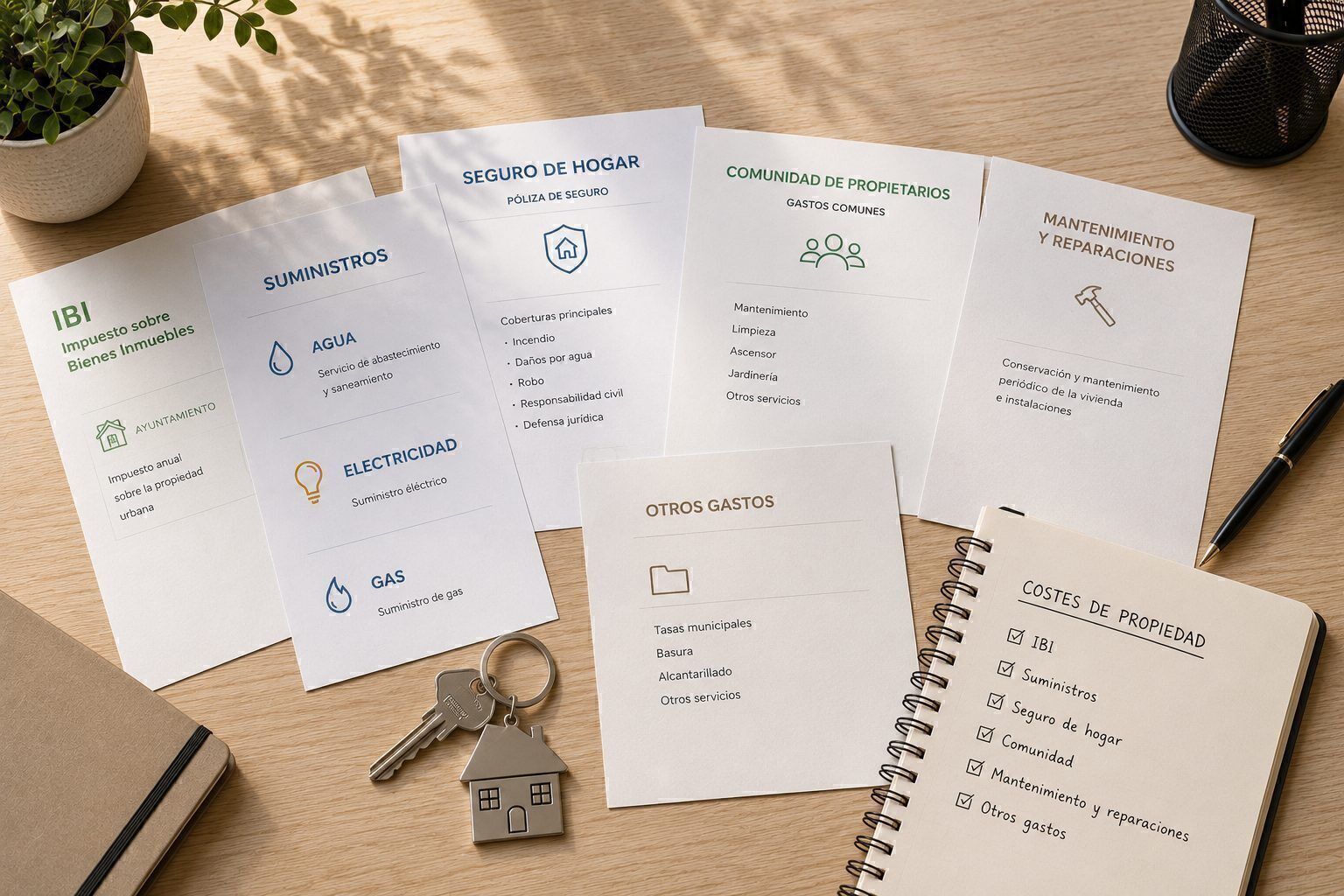
Property Taxes in Marbella and the Costa del Sol: What Homeowners Need to Know
Buying a property in Marbella, Estepona, Benahavís, or elsewhere on the Costa del Sol is only the first step. Once you become a homeowner in Spain, you will need to budget for several annual taxes and ongoing expenses. Fortunately, property taxes in Spain are relatively low compared with many northern European countries. Nevertheless, understanding your obligations is essential if you want to avoid unexpected costs and remain fully compliant with Spanish tax regulations.
Below, we explain the main property taxes and ongoing costs that homeowners on the Costa del Sol should expect.
IBI – Annual Property Tax in Spain
IBI (Impuesto sobre Bienes Inmuebles) is the Spanish equivalent of council tax or property tax. Every homeowner must pay this annual tax to the local town hall. Unlike market value, the amount is based on the property’s cadastral value, which means annual bills are often lower than many buyers expect.
What affects the amount?
- Municipality (Marbella, Estepona, Benahavís, etc.)
- Property type and size
- Cadastral value assigned by the authorities
Typical annual costs
- Apartment: €400–€1,200
- Villa: €1,000–€5,000+
Because IBI is one of the most important taxes for property owners in Spain, homeowners should ensure payments are made on time each year.
Basura Tax – Rubbish Collection Charges
In addition to IBI, most municipalities charge a rubbish collection tax, known as Basura. This local charge covers waste collection and disposal services. However, the amount varies depending on the municipality and the type of property.
Typical annual cost
- Between €100 and €300
In some areas, the charge forms part of the IBI bill. In others, the town hall issues a separate invoice.
Non-Resident Income Tax in Spain
If you own property in Spain but are not a Spanish tax resident, you must submit a non-resident tax return every year, even if you do not rent out the property. This tax is known as Imputed Income Tax. Essentially, the Spanish tax authorities assume that a second home provides a benefit, and they tax that benefit accordingly.
Who pays it?
- Non-resident property owners
- Individuals who use the property privately and do not rent it out
How much does it cost?
Fortunately, the annual amount is usually modest. In many cases, owners pay only a few hundred euros, depending on the property’s cadastral value. Most owners appoint an accountant or tax adviser to calculate and submit the annual Modelo 210 return.
Tax on Rental Income in Spain
If you rent out your property, either as a holiday rental or on a long-term basis, you must declare the rental income and pay tax in Spain. However, the rules differ depending on your country of residence.
EU and EEA Residents
EU and EEA residents pay tax on net rental income. Therefore, they can usually deduct certain expenses, including:
- Community fees
- Mortgage interest
- Insurance
- Repairs and maintenance
- Property management fees
Non-EU Residents
Non-EU residents are generally taxed on gross rental income, and fewer deductions may apply. Furthermore, rental income usually requires quarterly tax returns.
Wealth Tax in Spain
Spain applies Wealth Tax to individuals whose worldwide assets exceed certain thresholds. Although Andalusia currently provides generous relief, high-net-worth individuals should seek specialist advice because Wealth Tax applies to worldwide assets rather than just Spanish property.
Assets taken into account may include:
- Property
- Bank accounts
- Investments
- Business interests
- Other valuable assets
Fortunately, careful tax planning can often reduce or eliminate exposure.
Solidarity Tax on Large Fortunes
More recently, the Spanish government introduced the Temporary Solidarity Tax, which complements Wealth Tax and targets individuals with substantial worldwide assets. Most property owners will never be affected. However, buyers with significant wealth portfolios should seek professional tax advice to understand their potential liabilities.
Capital Gains Tax When Selling Property
Although Capital Gains Tax only becomes relevant when you decide to sell, it is important to understand it from the outset. This tax applies to the profit generated between the purchase price and the sale price.
Several factors influence the calculation, including:
- Original purchase price
- Selling price
- Acquisition costs
- Improvements and renovations
- Certain taxes and professional fees
As a result, the final amount will depend on both the gain achieved and your personal circumstances.
Plusvalía Municipal Tax
In addition to Capital Gains Tax, sellers must usually pay Plusvalía Municipal. This local tax is charged by the town hall and is based on the increase in the cadastral value of the land during the period of ownership. Although the seller traditionally pays this tax, both parties should always clarify responsibility during the transaction.
Community Fees
While community fees are not technically a tax, they represent one of the most important ongoing costs of owning property on the Costa del Sol. Owners of apartments, townhouses, and gated communities contribute towards the maintenance and management of shared facilities.
Community fees typically cover:
- Swimming pools
- Landscaped gardens
- Security services
- Cleaning and maintenance
- Lifts and common areas
Typical monthly costs
- Apartments: €100–€500
- Luxury developments: €500–€2,000+
Naturally, exclusive communities with concierge services, gyms, spas, and 24-hour security tend to charge higher fees.
Utility Costs and Home Insurance
Besides taxes and community fees, homeowners should also budget for everyday running costs.
These may include:
- Electricity
- Water
- Internet and telecommunications
- Home insurance
- Pool maintenance
- Garden maintenance for villas
Although these expenses are not taxes, they form an important part of the annual cost of owning property in Spain.
Understanding the Cost of Property Ownership on the Costa del Sol
Owning a home in Marbella, Benahavís, or Estepona offers an exceptional lifestyle and continues to represent a sound long-term investment. Fortunately, annual property taxes in Spain remain relatively reasonable, especially when compared with many other European countries. By understanding the various taxes and ongoing costs involved, you can budget effectively and avoid surprises later on. Moreover, working with experienced lawyers, accountants, and tax advisers will help ensure full compliance with Spanish regulations while giving you complete peace of mind.
Whether you own a holiday apartment in Marbella, a golf property in Benahavís, or a luxury villa in Estepona, proper financial planning will allow you to enjoy your investment with confidence for many years to come.